

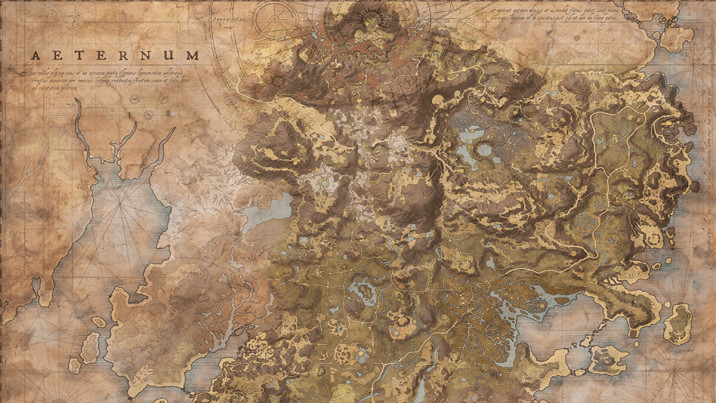
Description
Evolution of The World Map
One of the largest projects I was involved in at New World was the world map. It’s also the UI that has undergone the most changes. Over the course of five years, as gameplay evolved, the UX and visuals of the world map underwent numerous updates, and I was always involved and led its design. I did both the UX and visual design for the World map, and was heavily involved in its implementation.
Map V.0
When I was given the task to design the map, the map image I received looked like this. Its only features were the shapes of each Biome and the ability to display them in specific colors.
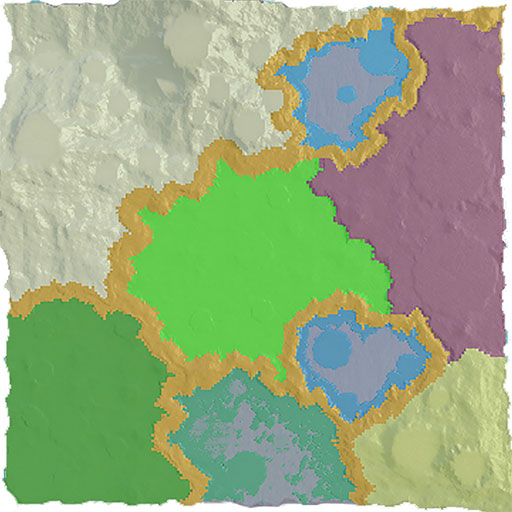
Map V1.0 (~ December, 2017)
The early concept – Territories and Guild War
Five years ago, when the Map was first developed, the game design of New World was all about ‘territories, territories, territories’. The central theme of the game was player-generated content where players would form guilds, ally, claim land, and build wealth based on the resources from the biomes of their territories, and then expand their territories. The world map had to be designed to best display information for territorial conflicts.
This is a UX Concept video, which I created to show how the newly designed world map could display various information (like war details, biome information, etc.) and the extent of zoom in and out required.
Map V2.0 (2018~ 2019)
Enhancing World Exploration Experience
Featuring Parchment-Style Design, Detailed Resource Mapping, Defined Territories, and Highlighted Points of Interest.
Map 2.0 was the second design update of the world map. A major update here was the change in visual design; the map itself was made to look like it was drawn on parchment. I put a lot of effort into effectively representing the resources of each Biome. Also, I designed the map to show claimable territories, outposts where players could gather and engage, and points of interest where players could explore, defeat monsters, and find loot, all represented with effective icons. Additionally, I designed it to display guild rankings on the map.
Furthermore, I was heavily involved in the map implementation. This included exploring how many zoom level steps were necessary for player navigation, designing animations for zooming in and out, and determining which information should be visible or hidden at different zoom levels.
Map V 3.0 (2019~2020)
Introducing Cities, Forts, and instanced Wars.
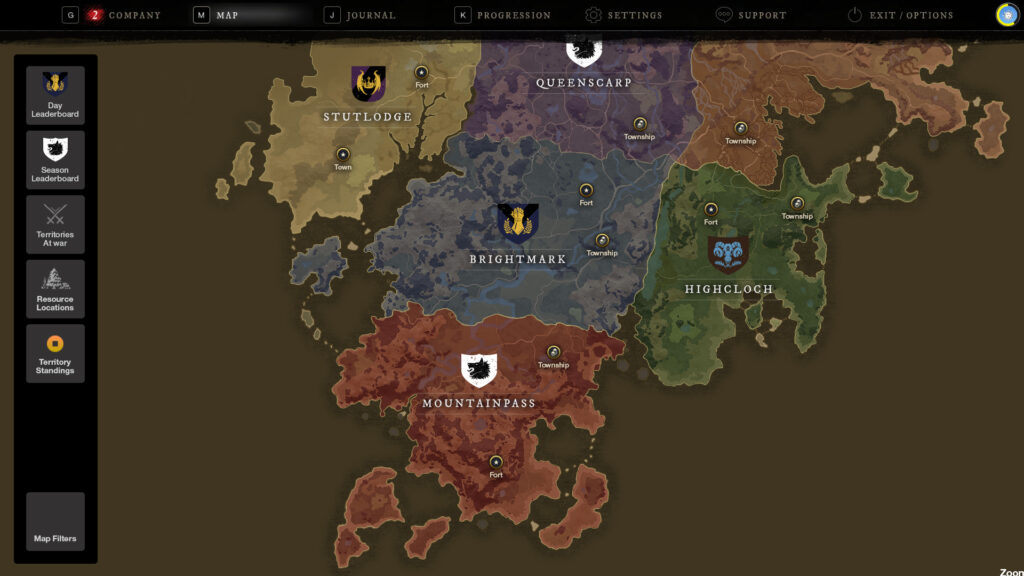
At this time, the game New World had to undergo a significant pivot. Players were tired of the constant conflict required to maintain territories and were more interested in content that allowed for a safer, more comfortable experience in the game world, rather than continuously losing built-up territories. Thus, the game developers pondered how to keep the territorial conflict content while making it more enjoyable and comfortable for players. This led to the initiation of the Stones to City project.
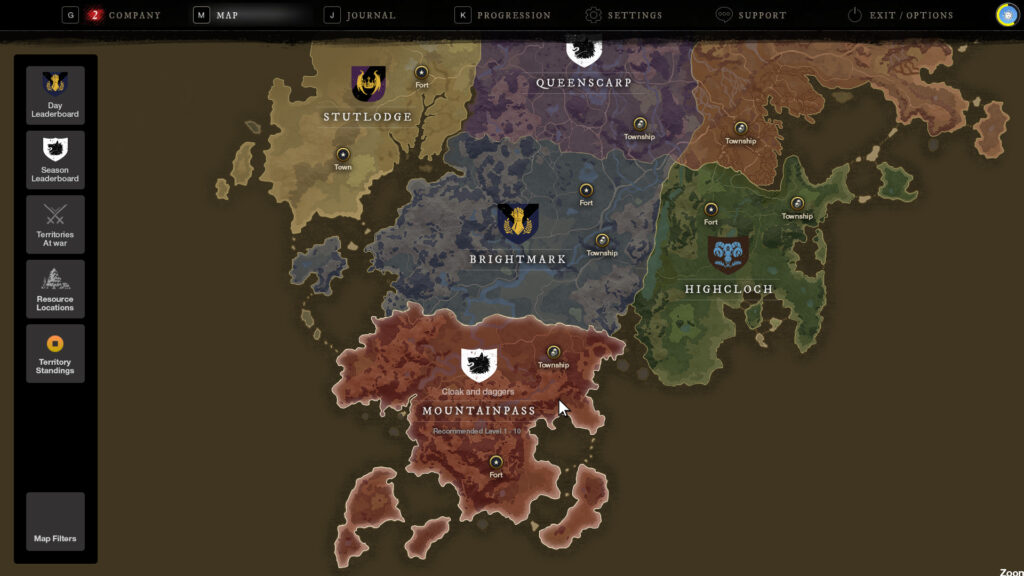
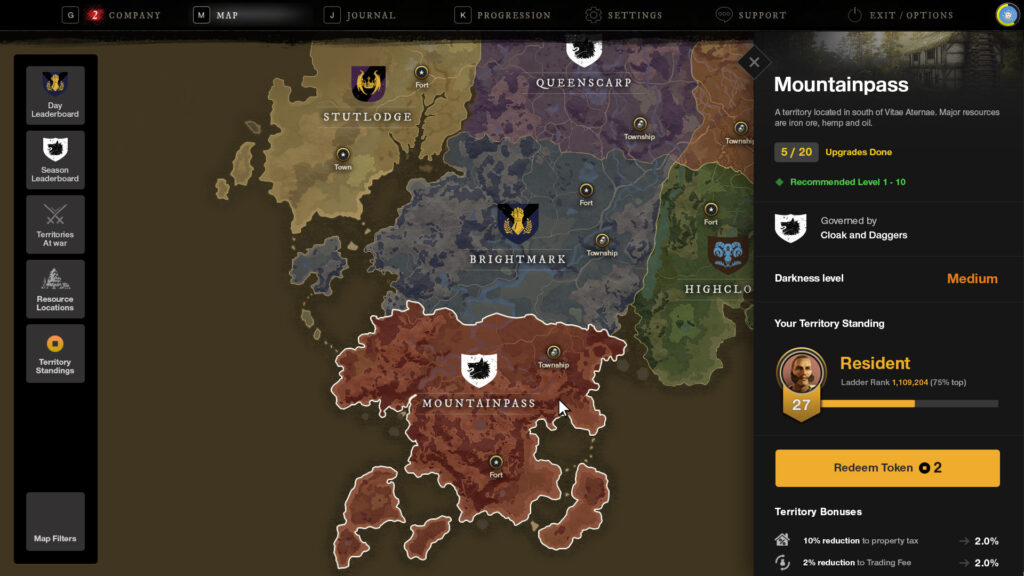
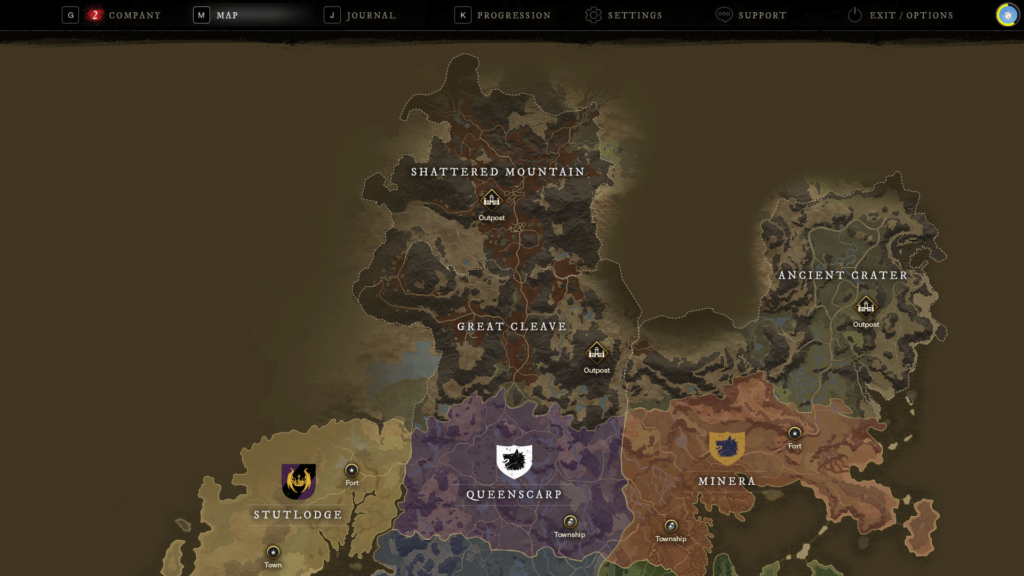
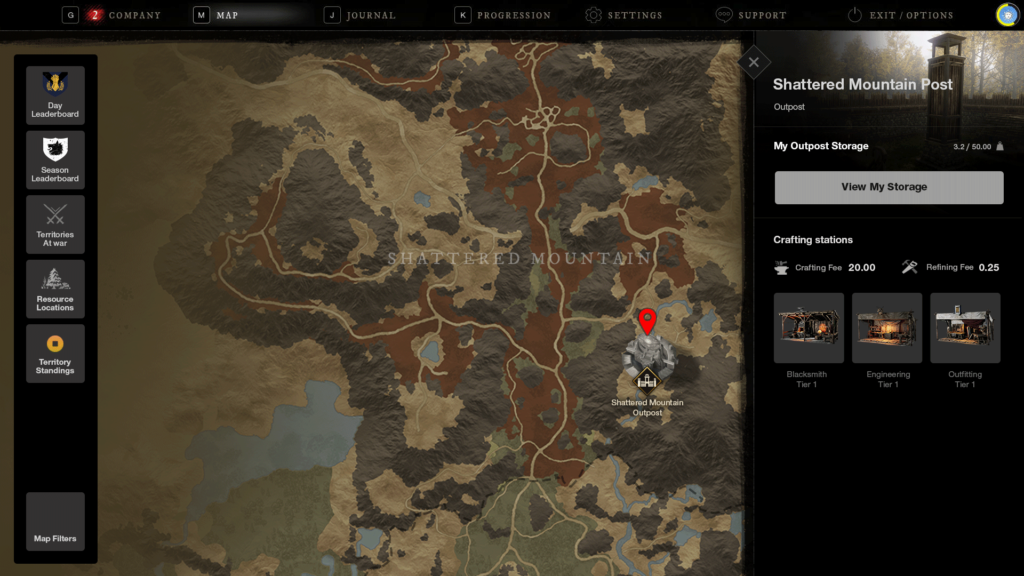
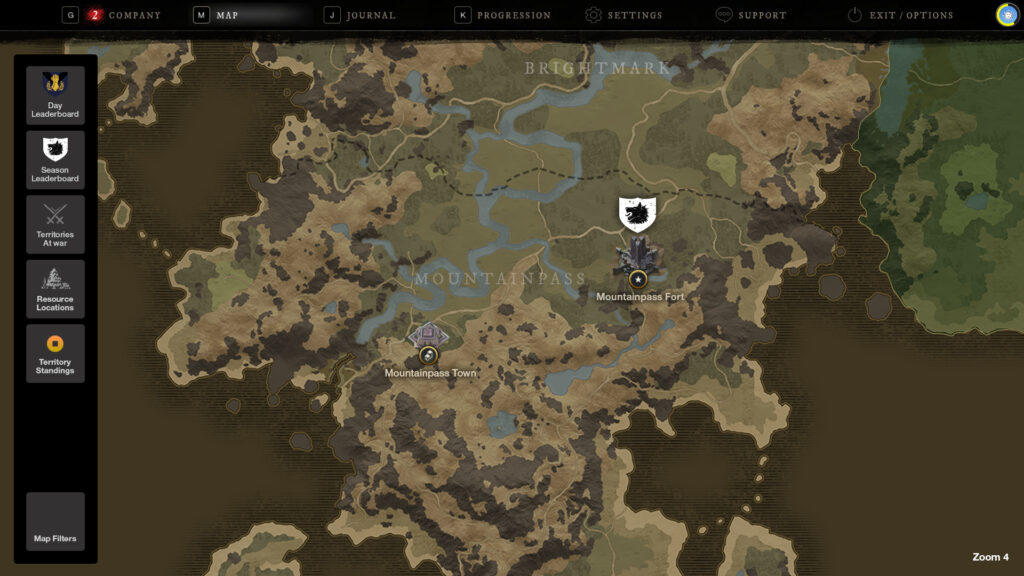
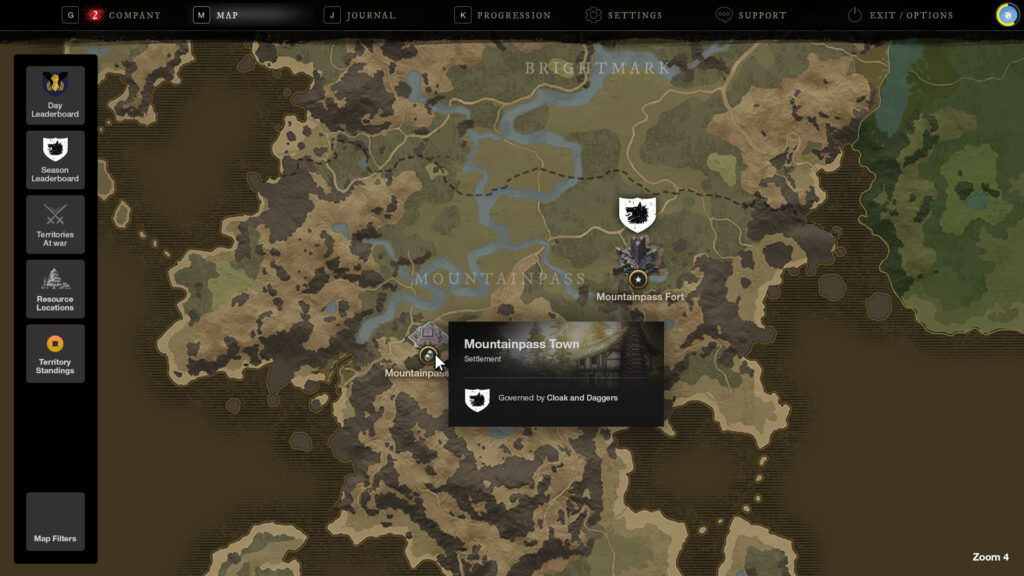
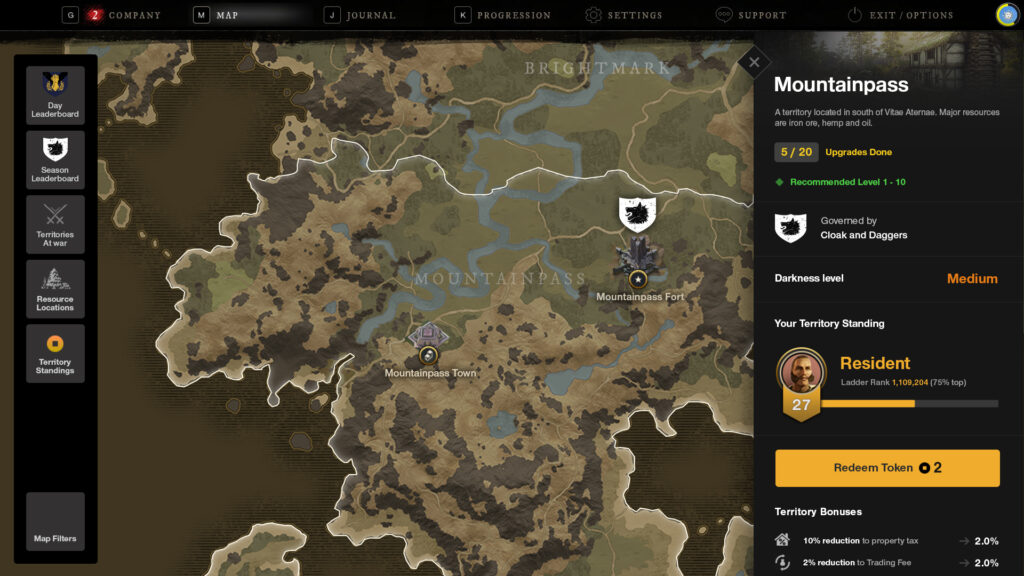
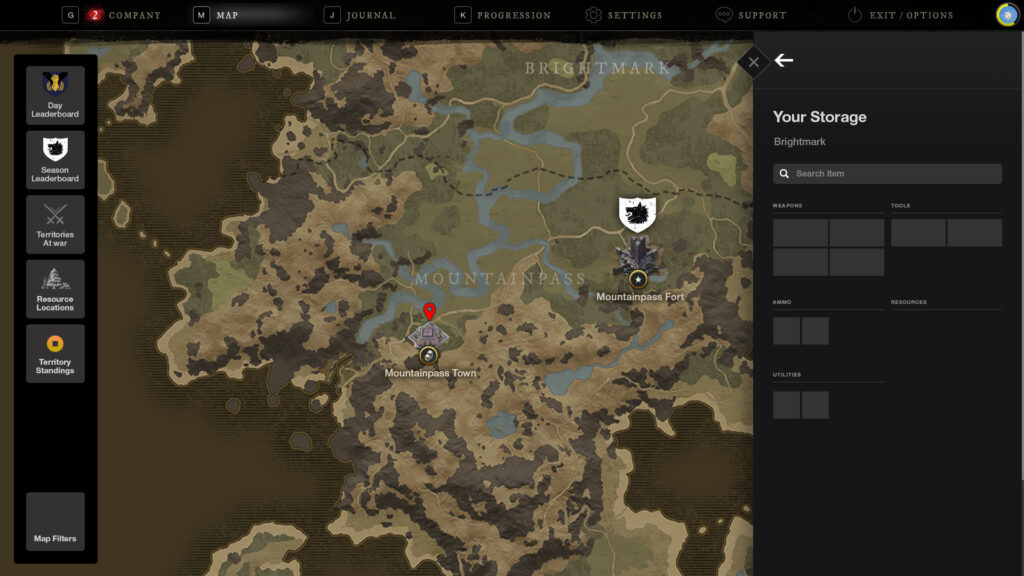
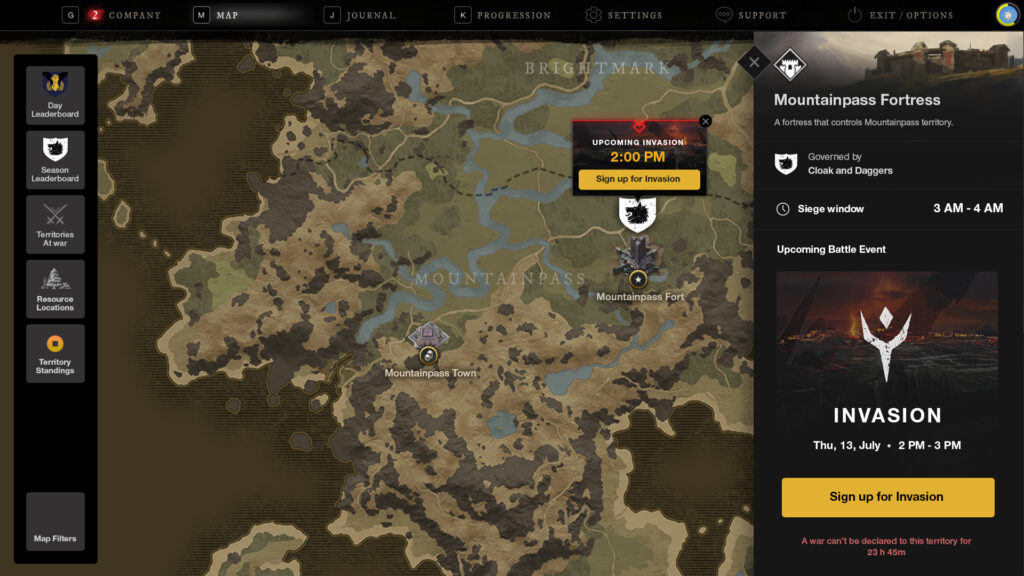
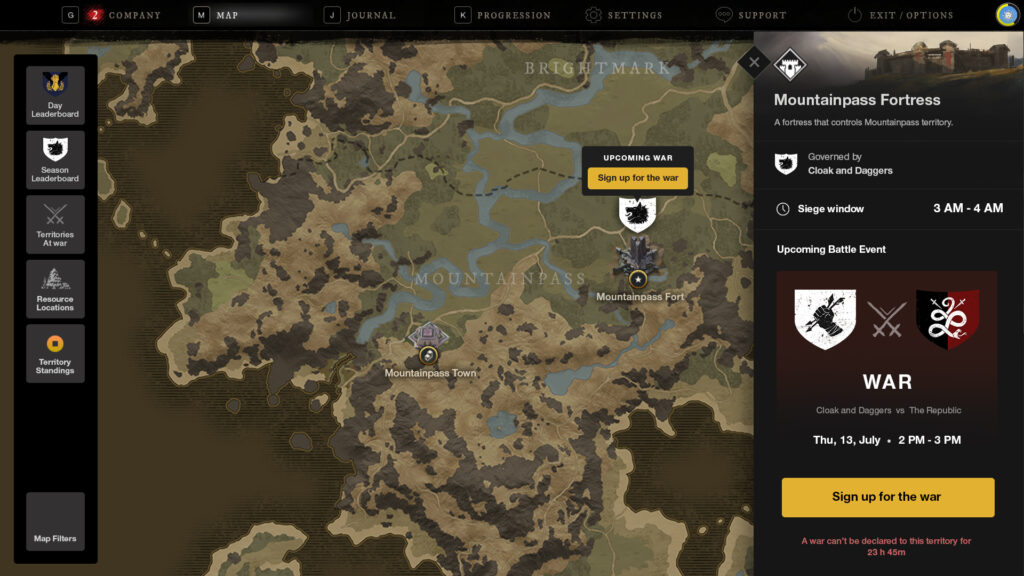
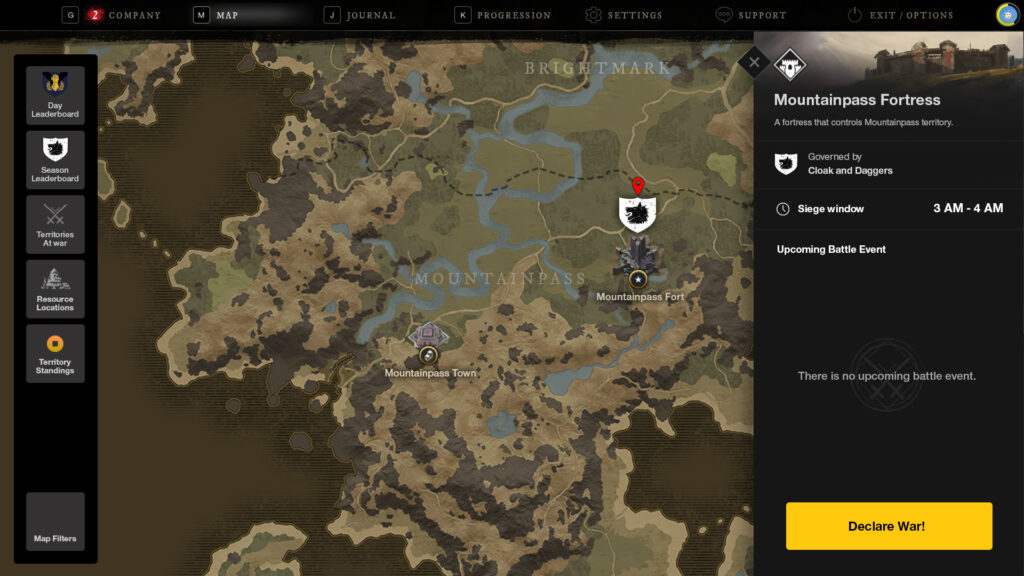
In the Stones to City project, all territories in New World were completely divided into about 11 territories. Each territory had its own city and fort. Players belonging to guilds could participate in instanced wars at the forts, and the outcomes of these wars determined the ownership of the territories (players could also participate in these wars as mercenaries, even if not in a guild!). Players used crafting stations set up in the cities, paid taxes, and the guild owning the territory accumulated wealth through these taxes.
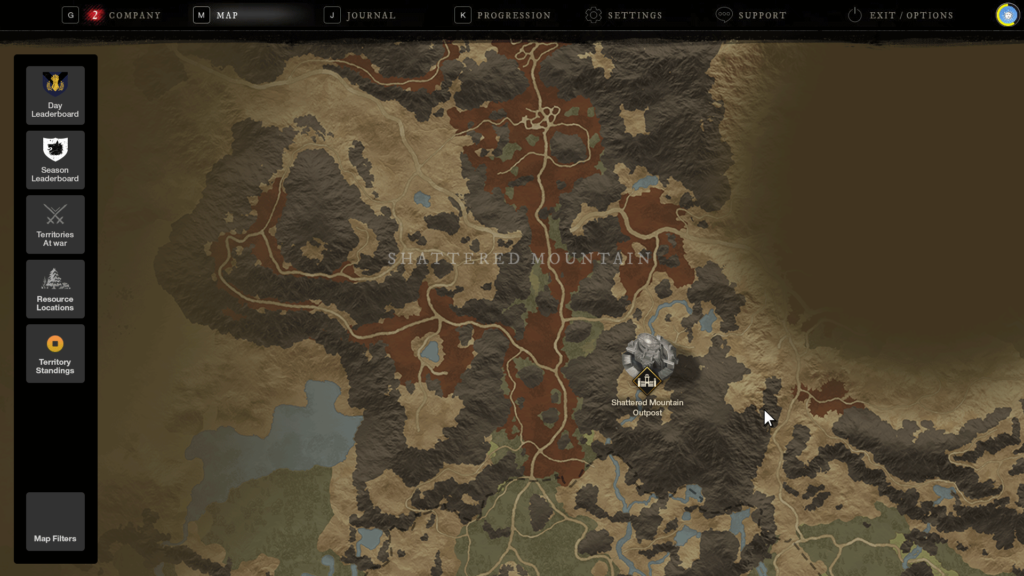
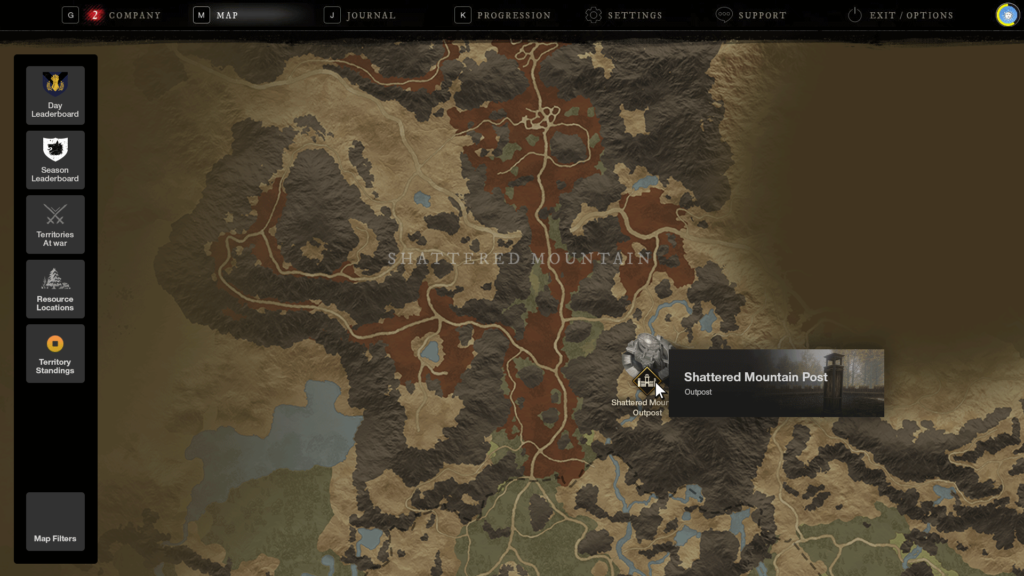
I designed the UX for all these design changes – I worked on the design for war scheduling and participation methods, created visuals to effectively show the relationship between the city and fort, and designed detailed aspects of the cities including the placement of stations.
UX mocks
Map V 4.0 (2022~Current)
A Shift towards Focused PvE Content – Emphasizing Quests, Expeditions, and Arenas in the Transformation into an MMORPG. Introduction of Local PvP Content. Established as the Most Significant and Essential UI, Providing Players with a Wealth of Engaging Activities.
- Eliminated territory faction colors to bolster the PvE experience and shift focus away from PvP/territory mechanics.
- Enhanced visuals for Main Story quests for better visibility.
- Integrated Fast Travel points for improved navigation.
- Introduced special icons for Expeditions and Arenas (Instances) for easy identification.
- Incorporated a housing mechanic into the map for a more immersive experience.
- Added Local PvP points to encourage player engagement in combat zones.